Small Backyard, Big Pool Dreams
You’ve scrolled through hundreds of photos of glowing backyard oases, imagining yourself sinking into warm water after a long week while string lights twinkle overhead. Then you glance out the kitchen window at your modest patch of grass and think, “No way. My yard is too small for a pool.”
Here’s the good news: you don’t need a half-acre lot to enjoy the relaxation, visual appeal, and entertainment value of a swimming pool. Enter the cocktail pool—a compact, stylish alternative that combines cooling, lounging, hydrotherapy, and socializing in a footprint small enough to leave room for your grill, garden beds, and that fire pit you’ve been eyeing.
This trend is gaining real traction across the United States because homeowners are rethinking what a backyard pool should do. Instead of dedicating the entire outdoor space to a sprawling rectangle of water, more people are choosing functional, multi-purpose outdoor living spaces. A well-designed cocktail pool delivers the luxury feel without swallowing your yard whole.
Whether you’re working with a tight urban lot, a modest budget, or simply prefer lower-maintenance living, this guide will walk you through everything you need to know about cocktail pools—from dimensions and materials to cost considerations and design inspiration.
What Is a Cocktail Pool?
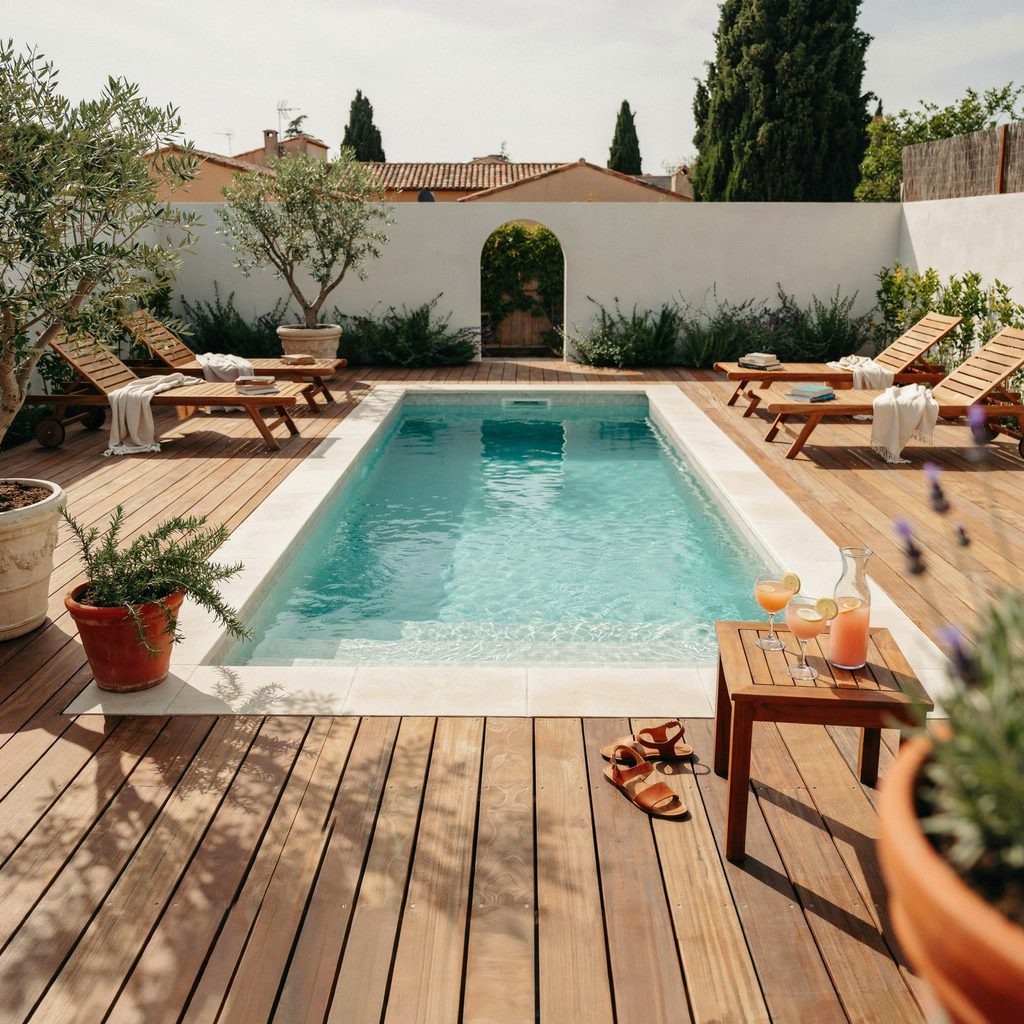
A cocktail pool is a small, shallow-to-moderate-depth pool designed primarily for lounging, socializing, cooling off, and hydrotherapy rather than swimming laps. Think of it as the backyard equivalent of a cozy conversation pit, except it’s filled with water and surrounded by beautiful pool decking.
You may also hear cocktail pools called a spool pool—a blend of “spa” and “pool”—because they often incorporate heated water, pool jets, and massage-style seating that blur the line between a traditional pool and a hot tub.
Common Cocktail Pool Features
Most cocktail pools include some combination of the following:
- Compact rectangular, square, or custom shape
- Built-in bench seating for guests
- Spa jets or bubblers for hydrotherapy
- Heating capability for extended-season use
- LED pool lighting for ambiance and safety
- Shallow lounging areas or a tanning ledge
- Water features such as sheer descents or small waterfalls
- Optional saltwater system for gentler water
- Automated pool cover for safety and heat retention
There is no universal size definition, but many cocktail pools range roughly from 10 to 16 feet in length, depending on your property layout, local setback rules, and desired features. The beauty of a cocktail pool lies in its flexibility—it can be tailored to fit awkward corners, narrow side yards, or compact courtyards.
Cocktail Pool vs. Plunge Pool vs. Traditional Pool
Homeowners often use these terms interchangeably, but design intent matters more than the label. Here’s how they stack up:
| Feature | Cocktail Pool | Plunge Pool | Traditional Inground Pool |
|---|---|---|---|
| Typical Size | 10–16 ft long | 6–10 ft long | 25–40+ ft long |
| Main Purpose | Lounging, entertaining, spa-like relaxation | Cooling off, cold-water immersion | Swimming, exercise, family recreation |
| Depth | ~3–5 ft | ~4–7 ft (often deeper) | ~3–8+ ft with varied depths |
| Best Use Case | Social gatherings, hydrotherapy, small-yard luxury | Quick dips, cold plunges, fitness recovery | Lap swimming, diving, kids’ play |
| Heating & Jets | Common (spa jets, heaters) | Sometimes heated; jets less common | Varies; often no jets |
| Maintenance Needs | Lower volume = less chemicals & energy | Minimal | Higher volume = more upkeep |
| Cost Considerations | Moderate; varies by features | Often lowest | Highest |
| Small-Backyard Fit | Excellent | Excellent | Limited |
If your priority is a pool for a small yard that doubles as an entertaining hub, a cocktail pool is likely the sweet spot. A plunge pool works beautifully if you mainly want a quick cool-down or cold-therapy soak. A traditional inground pool remains the go-to for families who want open swim space.
Why Cocktail Pools Are Trending in the US
They Fit Small Backyards
A compact swimming pool preserves precious square footage for patios, outdoor kitchens, gardens, dining furniture, play areas, or a fire pit and pool area combo. Instead of one massive water feature dominating the landscape, you get a complete backyard oasis where every element has room to breathe.
[Internal Link: Small Backyard Landscaping Ideas]
They Support Backyard Entertaining
Built-in bench seating turns the pool into a social gathering point. Add warm water, soft LED lighting, and gentle pool jets, and you have an inviting spot for evening conversations, casual weekend hangs, and adult-friendly entertaining. Guests can wade in, perch on the ledge, or simply dangle their feet while chatting.
They Can Cost Less Than Large Pools
A smaller pool generally requires less excavation, fewer materials, less water to fill, and lower ongoing chemical and energy use than a large traditional pool. That said, premium finishes, full automation, heaters, extensive decking, retaining walls, and difficult site conditions can still push a small pool’s price upward. Cocktail pool cost varies significantly by state, contractor, and material selection—always get multiple local estimates.
They Offer Spa-Like Relaxation
A heated cocktail pool with spa jets transforms a Tuesday evening into a resort experience. Hydrotherapy jets target sore muscles, warm water soothes stress, and the compact size means the water heats faster and holds temperature efficiently. In many parts of the US, a small pool heater extends usable months well into spring and fall.
They Are Easier to Maintain
Less water volume typically means reduced cleaning time, lower chemical demand, and smaller filtration loads. Pair a compact pool with energy-efficient pool equipment and an automated pool cover, and you’ve got a genuinely low-maintenance pool compared to a full-size alternative. That said, every pool still needs routine care—skimming, balancing, and seasonal attention.
[Internal Link: Pool Maintenance Checklist]
Typical Cocktail Pool Dimensions and Design Options
The right cocktail pool dimensions depend on property boundaries, setback requirements, drainage patterns, underground utilities, access for construction equipment, and the features you want. Always check local regulations before locking in a footprint.
Practical Size Ranges
- 10 × 10 feet: Compact soaking and lounging pool; ideal for tight courtyards
- 10 × 14 feet: Small social pool with bench seating for two to four guests
- 12 × 16 feet: Flexible cocktail pool with spa features, tanning ledge, and room for water features
- 12 × 20 feet: Larger small pool that accommodates families and bigger entertaining groups
Common depths hover around 3 to 5 feet, keeping the pool approachable and safe. Discuss depth, safety, and design specifics with a qualified pool builder who understands your site.
Popular Cocktail Pool Shapes and Features
- Rectangular layouts – Clean, modern lines that complement contemporary architecture
- Square layouts – Efficient use of tight corners
- L-shaped designs – Create separate lounging and soaking zones
- Courtyard pools – Nestled among walls for a private, resort-like feel
- Narrow side-yard pools – Perfect for tight urban lots
- Built-in benches and tanning ledges – Social seating and sun-bathing areas
- Spillover spas and sheer descents – Add soothing sound and visual drama
- LED lighting and raised walls – Evening ambiance and architectural interest
- Fire and water features – Pair a fire pit and pool area for contrast and drama
How Much Does a Cocktail Pool Cost?
There is no single number that applies everywhere. Cocktail pool cost in the US depends on your state, local labor rates, soil conditions, material choice, and the level of customization you choose. Instead of a fixed price, think of the total project budget as a collection of line items:
- Pool shell or excavation
- Plumbing and electrical work
- Pump, filter, heater, and automation systems
- Interior finish or liner
- Decking and coping
- Pool landscaping and grading
- Fencing, gates, and safety barriers
- Pool permits and inspections
- Site access challenges and soil conditions
- Drainage or retaining-wall work
- Optional features: jets, lighting, water features, automated cover
A basic prefabricated or fiberglass cocktail pool will have a different cost profile than a fully custom concrete cocktail pool with hand-laid tile and integrated spa jets. The best approach is to obtain several detailed local estimates and compare exactly what is included.
[Internal Link: Fiberglass vs. Concrete Pools]
What Can Increase the Cost of a Cocktail Pool?
- Limited backyard access for heavy equipment
- Sloped lots requiring terracing or retaining walls
- High water tables or rocky soil needing specialized excavation
- Custom tile, luxury finishes, and premium coping
- Extensive decking or hardscaping
- Heating systems, spa jets, and full automation
- Premium landscaping and privacy plantings
- Stringent local permit requirements or impact fees
Best Cocktail Pool Ideas for Small Backyards
Looking for cocktail pool ideas that maximize function without eating your yard? Here are ten designs worth exploring:
- Modern rectangular cocktail pool with light-colored coping – Clean sight lines make a small yard feel larger. Best for contemporary homes and minimalist tastes.
- Cocktail pool with built-in bench seating for guests – Turns the pool into a social hub. Ideal for homeowners who host frequently.
- Heated spool with spa jets for cooler evenings – Extends the swim season and doubles as a hot tub. Great for couples in four-season climates.
- Narrow cocktail pool for a side yard – Slides into underused space beside the house. Perfect for tight urban lots.
- Small pool with a tanning ledge and umbrella sleeve – Adds a sun-soaking zone without expanding the footprint. Loved by sun-worshippers.
- Cocktail pool and fire pit patio combination – Creates a dramatic fire-and-water focal point. Excellent for backyard entertaining.
- Courtyard cocktail pool with privacy landscaping – Surrounded by walls and greenery for a secluded retreat. Suits homeowners craving a private backyard oasis.
[Internal Link: Backyard Privacy Ideas]
- Minimalist pool design with dark tile and LED lighting – Moody, sophisticated, and visually striking after sunset. Best for design-forward owners.
- Cocktail pool with a waterfall wall – Adds soothing sound and a visual anchor. Works well in narrow spaces where vertical interest matters.
- Saltwater cocktail pool with low-maintenance landscaping – Gentler on skin and easier on the maintenance schedule. Ideal for busy professionals wanting a luxury small pool without heavy upkeep.
Choosing the Right Material: Fiberglass, Concrete, or Vinyl
| Pool Type | Benefits | Limitations | Best For |
|---|---|---|---|
| Fiberglass cocktail pool | Faster installation; smooth, algae-resistant surface; lower maintenance | Predetermined shapes and sizes; transport/access constraints | Homeowners wanting quick installation and minimal upkeep |
| Concrete (gunite) cocktail pool | Fully customizable shape, depth, and finish; supports complex features | Longer construction timeline; surface may need more maintenance; higher labor cost | Buyers wanting a bespoke luxury small pool with unique design elements |
| Vinyl liner pool | Lower upfront cost; smooth surface; flexible shapes | Liners require replacement every 7–15 years; less premium feel | Budget-conscious homeowners open to periodic liner swaps |
Each option works for a small inground pool. Your choice will hinge on budget, timeline, design goals, and local contractor expertise.
Important Planning and Safety Considerations
Before breaking ground, take these practical steps seriously:
- Research local rules. Check zoning regulations, pool permits, setback requirements, and HOA guidelines before finalizing your design. Requirements differ by city, county, and state.
- Confirm safety requirements. Many jurisdictions mandate specific pool fencing requirements, self-closing gates, alarms, or pool safety features. Verify what applies to your address.
- Call 811 before digging. Have underground utilities marked to avoid dangerous and costly strikes.
- Plan drainage. Ensure runoff flows away from the pool area and neighboring properties.
- Assess sun, shade, wind, and privacy. Note nearby trees, prevailing breezes, and sight lines from neighbors.
- Choose slip-resistant decking. Textured concrete, natural stone, or composite materials reduce slip hazards.
- Include a pool cover and secure barriers. An automated pool cover adds safety, retains heat, and keeps debris out.
- Hire licensed, insured professionals. Confirm credentials, ask about warranties, equipment servicing, and long-term operating costs.
This article does not constitute legal or building-code advice. Always confirm requirements with your city, county, HOA, and a qualified local contractor.
Are Cocktail Pools Worth It?
The honest answer: it depends on how you plan to use your outdoor space.
Cocktail pools are often a strong fit for:
- Small urban or suburban backyards where space is at a premium
- Couples and empty nesters prioritizing relaxation over lap swimming
- Homeowners who love backyard entertaining and want a social water feature
- People seeking spa-like features—hydrotherapy jets, heated water, massage seating
- Buyers wanting a lower-footprint pool that preserves patio and garden space
- Anyone interested in boosting outdoor living appeal and potential resale value
They may be less suitable for:
- Dedicated lap swimmers who need 25+ feet of open water
- Large families wanting lots of open swim and play space
- Homeowners who want diving boards or deep-end features
- Properties with extremely restrictive access or tight local regulations
- Anyone unwilling to take on even modest ongoing pool maintenance responsibilities
For the right household, a cocktail pool delivers disproportionate enjoyment relative to its size—turning an underused corner into the most-used spot on the property.
Frequently Asked Questions
1. What is the difference between a cocktail pool and a spool?
The terms overlap heavily. “Spool” (spa + pool) emphasizes the hybrid pool-and-spa function, while “cocktail pool” highlights the social, entertaining aspect. In practice, many builders use them interchangeably.
2. How deep is a cocktail pool?
Most cocktail pools range from about 3 to 5 feet deep, though some designs with integrated spa seats may have slightly deeper sections. Always confirm depth plans with your builder.
3. Can you swim in a cocktail pool?
You can wade, float, and cool off, but cocktail pools are not designed for lap swimming. If swimming is a priority, consider a larger pool or a dedicated swim-spa system.
4. Can a cocktail pool be heated?
Yes. Many owners add a small pool heater or heat pump, making a heated cocktail pool usable across three or even four seasons in moderate climates.
5. Are cocktail pools cheaper than regular pools?
Generally, yes—less excavation, fewer materials, and lower water volume can reduce both upfront and ongoing pool maintenance costs. However, high-end finishes, automation, and site challenges can narrow the gap.
6. How much backyard space do you need for a cocktail pool?
A 10 × 10-foot pool can fit in surprisingly compact yards, but you also need room for decking, setbacks, fencing, and equipment. A qualified builder can assess your specific lot.
7. Can a cocktail pool increase home value?
A well-designed, well-maintained pool can enhance curb appeal and attract buyers who value outdoor living space. The impact varies by market, neighborhood, and buyer preferences.
8. Do cocktail pools require a fence?
Most US jurisdictions require some form of barrier—fencing, a wall, or an approved safety cover—around any pool. Check your local building department and HOA rules.
9. Is a saltwater system available for cocktail pools?
Absolutely. A saltwater cocktail pool uses a salt-chlorine generator for softer-feeling water and can reduce the need for manually adding chlorine.
10. What is the best cocktail pool design for a small backyard?
There’s no single “best” design. The ideal layout depends on your lot shape, sun exposure, primary use (lounging vs. entertaining vs. hydrotherapy), and budget. Consulting two or three local pool builders for site-specific recommendations is the smartest first step.
Conclusion
A cocktail pool proves that you don’t need a sprawling estate to enjoy the refreshment, beauty, and social energy of a backyard pool. By choosing a compact swimming pool tailored to your space and lifestyle, you can transform an underused patch of grass into a functional outdoor retreat—complete with warm water, ambient lighting, comfortable seating, and room left over for the garden, the grill, and the fire pit.
Start by measuring your available space, identifying your primary goal—whether that’s lounging, entertaining, hydrotherapy, or family fun—and researching local pool permits and fencing requirements. Then reach out to reputable, licensed pool builders in your area for site-specific consultations and detailed estimates. Comparing multiple quotes helps you understand what’s included, what’s optional, and what fits your budget.
Your small backyard deserves a big upgrade. A cocktail pool might be exactly the right size.
Ready to explore your options? Request consultations from two or three local pool builders, compare their cocktail pool installation proposals, and ask for references from recent small-pool projects in your neighborhood. The perfect backyard oasis is closer than you think.